




.png?imageMogr2/crop/220x71/gravity/center/format/webp)

Sustainable Building Solutions with Modified Wood Engineered Wood Timber Material
Addressing the Challenges of Modern Construction Materials
In the contemporary industrial and construction landscape, professionals are increasingly confronted with a critical dilemma: how to balance structural performance with environmental responsibility. Traditional timber, while aesthetically pleasing, often falls short in demanding environments due to its susceptibility to moisture, rot, and structural instability. For large-scale infrastructure and high-end architectural projects, these vulnerabilities lead to increased maintenance costs, shortened product lifecycles, and significant financial risks.
The core question for engineers and architects today is whether a material exists that retains the natural beauty of timber while providing the mechanical strength and durability of synthetic composites. The answer lies in high-performance Engineered Wood. In this comprehensive guide, we will explore how modified wood solutions from Chambroad are revolutionizing the industry by offering unprecedented stability and sustainability. You will gain insights into the technical advantages of modified materials, learn how to select the right solutions for specific industrial applications, and discover how to optimize your supply chain for long-term durability.
Understanding the Foundation: What is Engineered Wood?
Before diving into specific applications, it is essential to establish a common understanding of the technology. Engineered Wood refers to a range of derivative wood products which are manufactured by binding or fixing the strands, particles, fibers, or veneers of wood together with adhesives or other methods of fixation to form composite materials.
At Chambroad, we take this a step further through specialized modification processes. Unlike standard timber, our modified wood materials undergo physical or chemical alterations that enhance their natural properties. This results in a material that is:
Dimensionally Stable: Minimal expansion or contraction in varying humidity.
Durability Enhanced: High resistance to biological decay and environmental stress.
Environmentally Friendly: Sourced from sustainable forests and processed using eco-conscious methods.
Core Solutions: Specialized Applications of Engineered Wood
Chambroad provides tailored solutions across diverse sectors, ensuring that each product meets the specific rigorous demands of its environment. Below is a detailed breakdown of our primary product categories.
1. Marine and Cryogenic Infrastructure
For the maritime industry, materials must withstand extreme cold and corrosive environments. Our marine low-temperature liquid cargo tank supporting wood is engineered to maintain its structural integrity at cryogenic temperatures, providing essential support for LNG carriers and other specialized vessels.
2. Power and Electrical Insulation
Electrical safety requires materials with high dielectric strength and mechanical stability. Chambroad's insulating laminated wood serves as a critical component in transformers and other high-voltage equipment, offering a sustainable alternative to purely synthetic insulators without compromising safety.
3. Architectural and Decorative Profiles
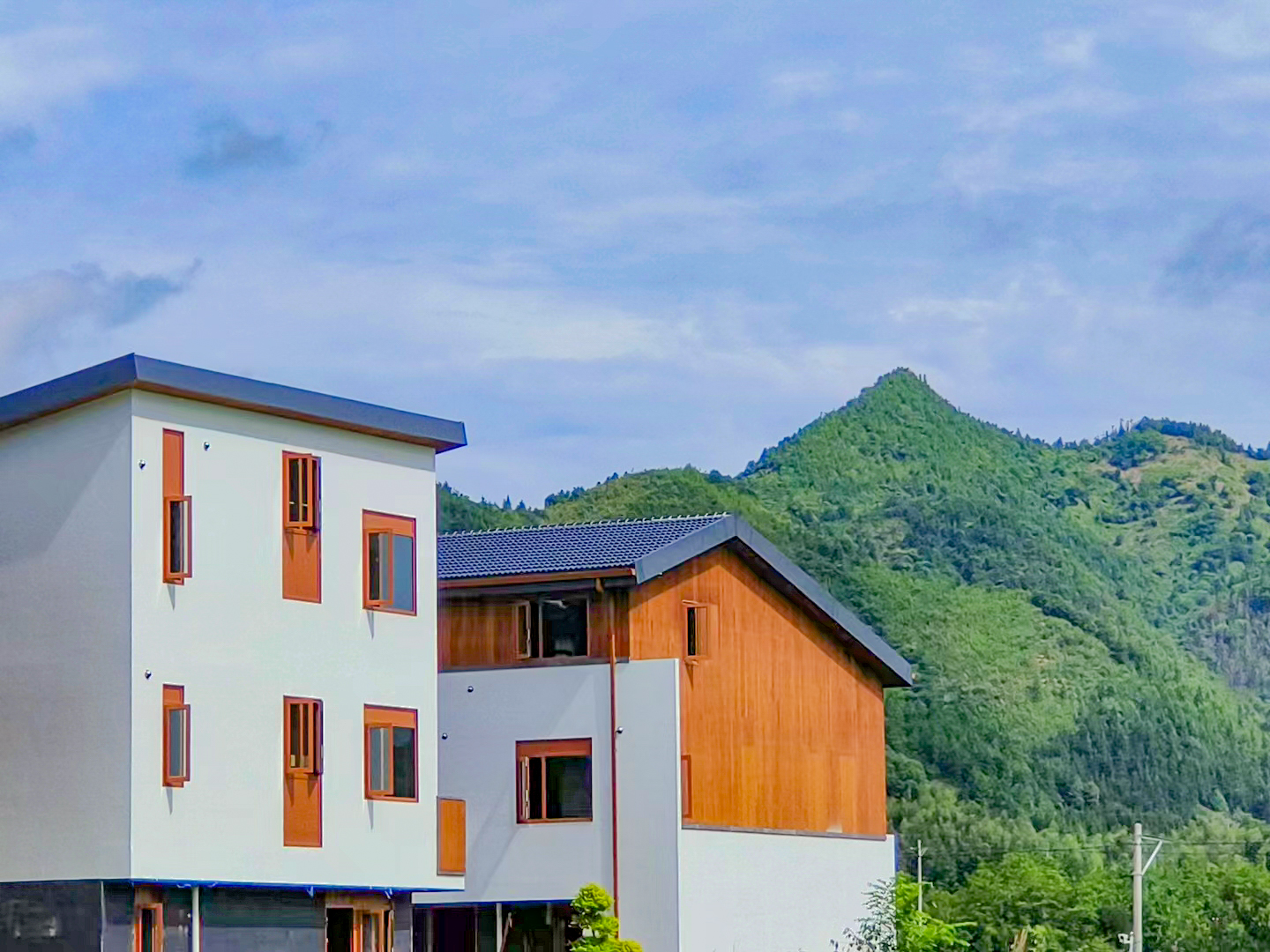
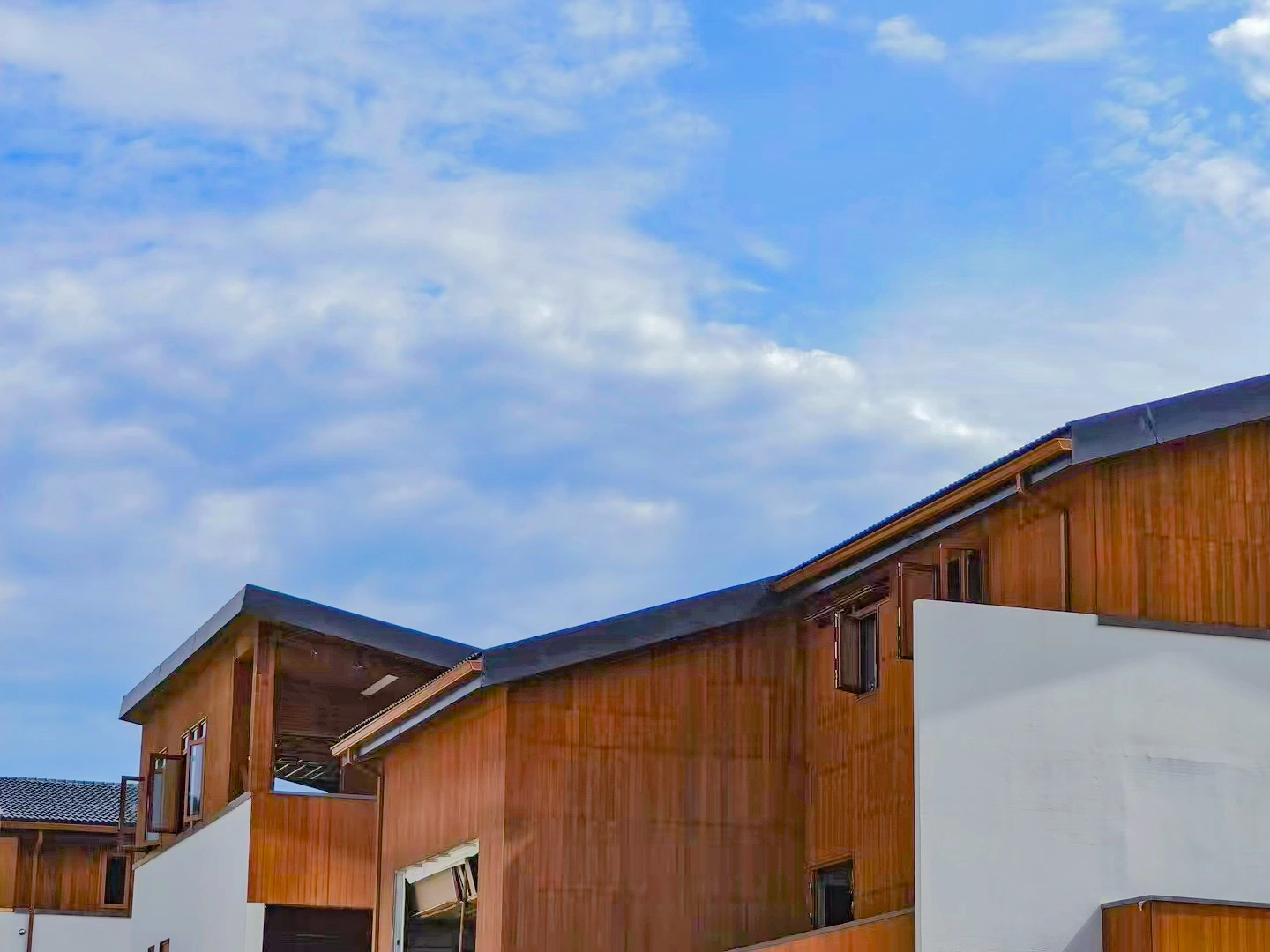
In the realm of high-end architecture, the longevity of exterior features is paramount. Our wood profiles for doors and windows utilize advanced modification techniques to prevent warping and rot, even in tropical or coastal climates. This significantly enhances the product's performance and aesthetics over decades.
Why Chambroad is the Trusted Choice for Global Projects
Unmatched Experience
Based on our experience serving hundreds of industrial clients globally, we understand the nuances of material failure and how to prevent it through rigorous engineering.
Certified Expertise
Our Engineered Wood products undergo strict quality control and are backed by international certifications, ensuring compliance with global safety standards.
Full-Cycle Innovation
From raw material sourcing to bio-based breakthroughs, we lead the industry in sustainable innovation.
Frequently Asked Questions
Q: How does Modified Engineered Wood compare to traditional hardwood?
A: Modified wood offers superior dimensional stability and decay resistance compared to traditional hardwood. It is less prone to cracking, swelling, or shrinking, making it more cost-effective over its lifecycle.
Q: Can Chambroad provide customized dimensions for industrial projects?
A: Yes, we offer extensive customization capabilities. We can tailor the density, dimensions, and mechanical properties of our wood profiles to meet the specific technical requirements of your project.
Q: Is the chemical modification process safe for the environment?
A: Absolutely. Our modification processes are designed with sustainability in mind, avoiding harmful toxins and focusing on bio-based enhancements that are safe for both users and the ecosystem.
Q: Are samples available for testing and evaluation?
A: We highly recommend physical evaluation. Contact our technical team to request free samples and technical data sheets for your specific application.
Take the Next Step Toward Superior Performance
Don't let material degradation compromise your project's integrity. Whether you are looking for sports wooden profiles or industrial insulation, Chambroad has the expertise and technology to deliver.
Join us at CHINAPLAS 2026 to see our latest innovations in Engineered Wood and high-performance materials.
Booth: 6.2 A02
© 2026 Chambroad Chemical Solutions. All Rights Reserved.
