




.png?imageMogr2/crop/220x71/gravity/center/format/webp)

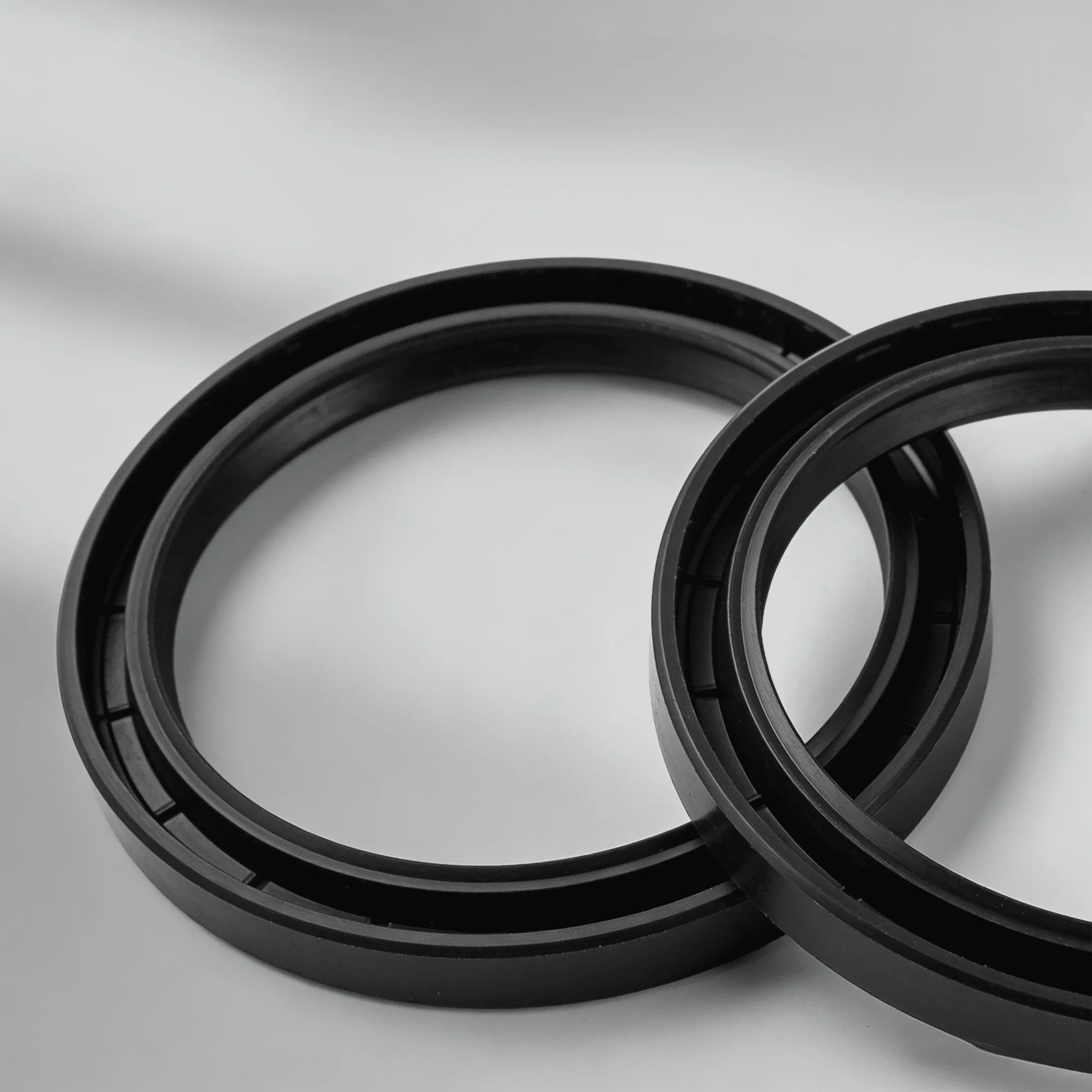
Industrial Applications of Polypropylene Resin for High-Performance Components
Optimizing manufacturing efficiency and material durability through advanced chemical engineering and high-transparency solutions.
The Real Challenge in Modern Component Manufacturing
Manufacturers today are not just choosing materials—they are balancing cost, performance, compliance, and scalability under increasingly tight constraints. Common issues include:
-
Unexpected product failure due to poor impact resistance or environmental stress cracking
-
High reject rates caused by unstable processing performance
-
Excessive material costs from over-engineering or incorrect material selection
-
Regulatory pressure in medical and food-grade applications
The core engineering question is no longer “Which material works?” but rather:
“Which polypropylene grade delivers the best balance of clarity, strength, processability, and long-term reliability for my specific application?”
This guide goes beyond basic material introduction and provides practical selection criteria, processing insights, and real application logic to help engineers and procurement teams make informed decisions.
Polypropylene Resin: Structure and Industrial Relevance
Polypropylene (PP) is a semi-crystalline thermoplastic polymer produced via the polymerization of propylene monomers. Its versatility comes from its ability to be modified at the molecular level.
Three Core PP Categories
| Type | Key Characteristics | Typical Applications |
|---|---|---|
| Homopolymer (PPH) | High stiffness, high strength, good chemical resistance | Caps, containers, fibers |
| Random Copolymer (PPR) | Improved transparency, better impact resistance | Medical devices, food packaging |
| Impact Copolymer (PPC) | Excellent toughness, low-temperature resistance | Automotive parts, appliances |
How to Select the Right PP Grade (Practical Framework)
Instead of choosing based on generic descriptions, use the following 4-step selection logic:
1. Define Mechanical Requirements
-
Need rigidity? → Choose Homopolymer
-
Need impact resistance? → Choose Impact Copolymer
-
Need flexibility + clarity? → Choose Random Copolymer
2. Evaluate Optical Requirements
-
High transparency → Random Copolymer (e.g., B800E, M800E)
-
Opaque structural parts → Homopolymer or Impact Copolymer
3. Consider Processing Method
| Process | Recommended MFR Range |
|---|---|
| Injection molding | Medium to high MFR |
| Extrusion | Low to medium MFR |
| Fiber spinning | High MFR |
4. Environmental Conditions
-
Low temperature (<0°C) → Impact Copolymer (e.g., EP548R)
-
High heat / sterilization → Medical-grade PP (e.g., RP348P)
-
Chemical exposure → Homopolymer with high crystallinity
Processing Optimization Tips (Highly Practical)
Many performance issues are not material problems—but processing mismatches.
Injection Molding Guidelines
-
Melt temperature: 200–260°C
-
Mold temperature: 20–60°C
-
Injection speed: Moderate to high for transparent grades
Common Defects & Solutions
| Issue | Cause | Solution |
|---|---|---|
| Warpage | Uneven cooling | Optimize mold temperature distribution |
| Flow marks | Low melt temperature | Increase barrel temperature |
| Brittleness | Wrong grade selection | Switch to impact copolymer |
| Haze in transparent parts | Crystallization | Use nucleated random copolymer |
Industry-Specific Solutions
1. Medical & Healthcare Applications
Key Requirements: Biocompatibility, sterilization resistance, purity
Recommended Grades:
-
RP340R (Transparent PP): High clarity for diagnostic components
-
RP348P (Medical Grade): Suitable for syringes and IV systems
Engineering Insight:
Use PP with controlled extractables and low volatiles to meet USP and ISO standards.
2. Automotive Lightweighting
Key Requirements: Impact resistance, durability, weight reduction
Recommended Grades:
-
EP548R: High impact resistance for bumpers
-
LA640T: Interior structural components
Advanced Solution:
Blending PP with POE (Polyolefin Elastomer) improves flexibility and crash performance.
3. Food Packaging & High Transparency
Key Requirements: Clarity, heat resistance, food safety compliance
Recommended Grades:
-
B800E / M800E: High transparency, suitable for microwave containers
Engineering Insight:
Use nucleating agents to enhance clarity while maintaining stiffness.
4. Household & Thin-Wall Products (New Added Section)
Key Requirements: Fast cycle time, dimensional stability, cost efficiency
Recommended Grades:
-
High-flow homopolymer PP
Optimization Tip:
Thin-wall injection requires high MFR PP to ensure complete filling and shorter cycle times.
Cost Optimization Strategies (Often Overlooked)
To reduce total production cost:
-
Avoid over-specifying impact grades where not required
-
Use high-flow PP to reduce cycle time
-
Optimize mold design instead of switching materials prematurely
-
Conduct pilot testing before full-scale procurement
Why Chambroad Chemical Solutions
Certified Quality
All PP grades are tested for:
-
Melt Flow Rate (MFR)
-
Tensile strength
-
Thermal stability
Sustainable Innovation
-
Development of Net-Zero EPP materials
-
Focus on recyclability and circular economy
Technical Support
-
Material selection guidance
-
On-site processing optimization
-
Application-specific formulation advice
Frequently Asked Questions (Expanded)
Q1: How does PP perform in low temperatures?
Standard PP becomes brittle, but impact copolymers (e.g., K9930H) maintain toughness below freezing.
Q2: How do I choose between transparency and strength?
You typically trade stiffness for clarity. Random copolymers provide the best balance.
Q3: Can PP replace ABS or PC?
In many cases, yes—especially when cost reduction and chemical resistance are priorities. However, PC still outperforms in extreme heat and transparency.
Q4: What certifications are available?
Medical and food-grade PP can comply with FDA, EU, and ISO standards depending on grade.
Meet Us at CHINAPLAS 2026
-
Date: April 21–24, 2026
-
Booth: 6.2 A02
Explore next-generation polypropylene solutions and speak directly with our technical experts.
Contact Technical Expert | Request Samples | Browse Product Library
© 2026 Chambroad Chemical Solutions. All Rights Reserved.
