
Chambroad Timber Modified Wood: Durable, Sustainable Timber Solutions
Revolutionizing modern architecture and industrial manufacturing with high-performance, eco-friendly engineered timber solutions designed for the most demanding environments.
The Evolution of High-Performance Timber
In the contemporary landscape of construction and industrial design, the demand for materials that balance aesthetic warmth with rigorous performance is higher than ever. Traditional wood, while naturally beautiful, often falls short in terms of longevity when exposed to harsh environmental factors. This is where Chambroad Timber introduces a paradigm shift with its advanced Modified Wood solutions.
By leveraging cutting-edge material science, Chambroad transforms natural timber into a highly durable, stable, and sustainable resource. Our Modified Wood is not just an alternative to traditional lumber; it is a superior engineering material that addresses the core weaknesses of natural fibers while enhancing their inherent strengths for use in everything from exterior cladding to specialized marine applications.
What is Modified Wood?
Modified Wood refers to timber that has undergone a physical, chemical, or thermal process to permanently alter its cellular structure. Unlike traditional pressure treatments that merely coat the surface with chemicals, the modification process involves deep-level structural changes. This results in a material that is significantly less reactive to water and environmental stressors.
At Chambroad, we utilize precision-controlled processes to ensure that the wood's properties are optimized for specific industrial and architectural needs. This includes thermal modification, which uses high temperatures to remove moisture and organic compounds that typically attract fungi and insects, and chemical modification that stabilizes the wood at a molecular level.
Core Benefits of Modified Wood
Durability
Exceptional resistance to rot and decay, significantly extending the service life of any project compared to untreated softwoods or even some hardwoods.
Moisture Resistance
The modification process reduces the wood's equilibrium moisture content, meaning it absorbs far less water, preventing warping and swelling.
Dimensional Stability
With minimal expansion and contraction, our timber remains flush and aligned, reducing maintenance costs and structural stress.
Pest & Decay Resistance
The elimination of nutrients within the wood fibers makes Modified Wood naturally resistant to termites and fungal attacks without toxic pesticides.
Sustainability
Sourced from fast-growing, renewable forests, our products offer a carbon-sequestering alternative to energy-intensive steel and concrete.
Versatile Application Scenarios
Building Applications
- Exterior Cladding: Perfect for modern facades that require long-term color stability and weather resistance.
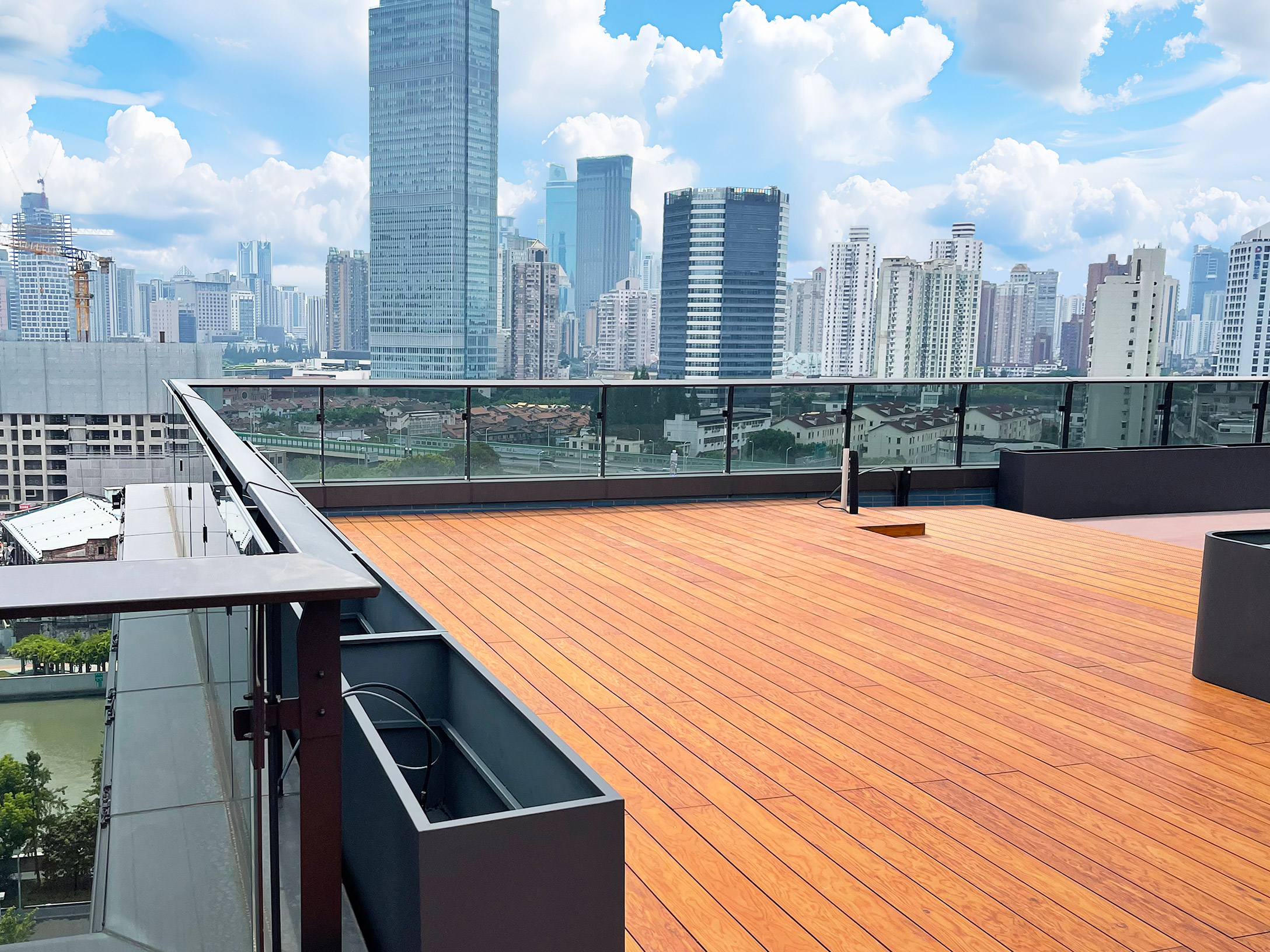
- Decking: Provides a splinter-free, stable surface that withstands high foot traffic and direct sun exposure.
- Facades & Louvers: Enhances architectural aesthetics while providing functional sun shading without the risk of warping.
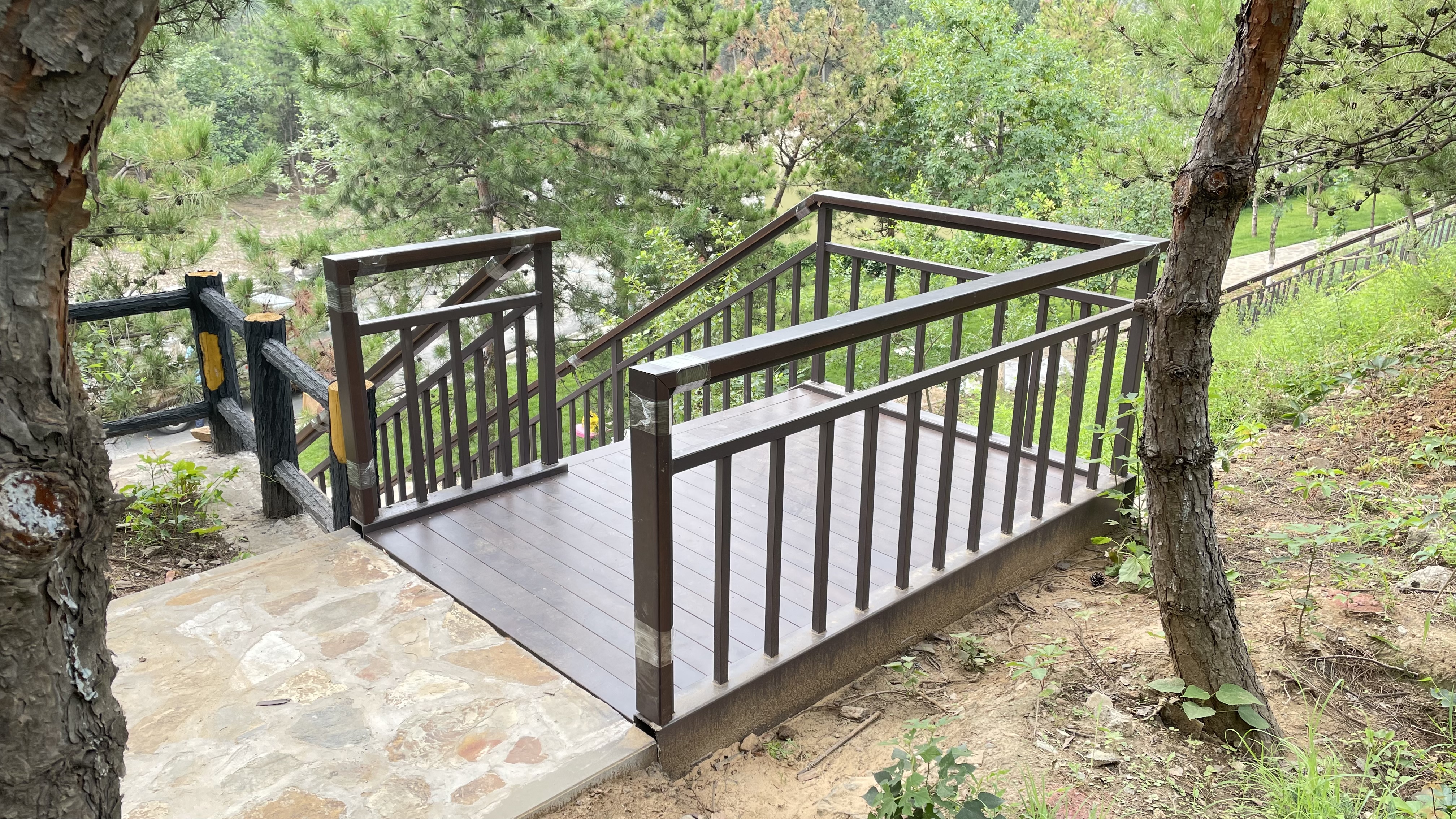
- Landscape Structures: Ideal for pergolas, bridges, and public benches in urban parks.
Industrial Applications
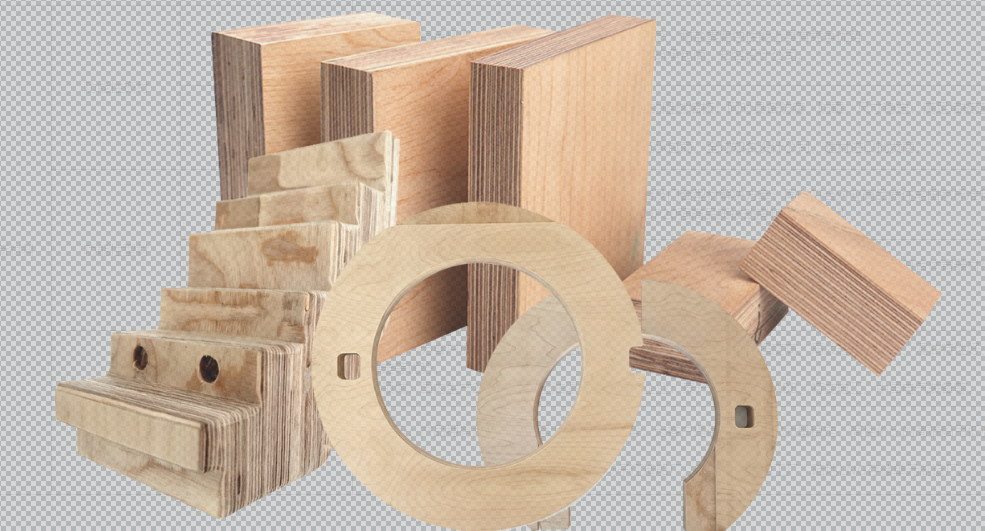
- Packaging & Pallets: High-strength Modified Wood ensures the safety of heavy-duty goods during global transit.
- Marine Support Wood: Specifically engineered for low-temperature liquid cargo tanks and marine environments.
- Industrial Flooring: Resistant to heavy machinery impact and chemical exposure in warehouse settings.
Modified Wood vs. Traditional Timber
| Feature | Traditional Timber | Modified Wood |
|---|---|---|
| Lifespan | Short (5-10 years untreated) | Long (25-50+ years) |
| Maintenance | High (Frequent painting/staining) | Low (Minimal upkeep required) |
| Moisture Resistance | Low (High swelling/warping) | High (Excellent stability) |
| Eco-Friendliness | Variable (Often needs chemicals) | High (Bio-based, no toxins) |
Real-World Performance: Case Studies
Tropical Waterfront Resort (Southeast Asia)
Project Background: A high-end luxury resort located in a tropical region characterized by extreme humidity and frequent heavy rainfall.
Challenge: Previous installations of traditional hardwood decking suffered from severe mold growth and rapid decay within 24 months due to constant moisture.
Solution: The resort replaced over 2,000 square meters of decking with Chambroad Modified Wood. The material’s anti-fungal properties and low moisture absorption were critical factors.
Result: After three years of exposure, the wood remains structurally sound with zero decay, significantly lowering maintenance labor costs for the resort operators.
Arid Climate Commercial Facade (Middle East)
Project Background: A modern office complex in a desert climate facing intense UV radiation and extreme temperature fluctuations between day and night.
Challenge: Wood cladding typically cracks and bleaches under high UV, losing its aesthetic appeal and structural integrity.
Solution: Designers chose Chambroad’s UV-resistant Modified Wood for the building's exterior louvers and wall panels.
Result: The high dimensional stability prevented the wood from warping under the desert sun, preserving the building's sleek, contemporary profile.
Urban Riverside Walkway (East China)
Project Background: A high-traffic public walkway in a bustling urban city center with a temperate climate.
Challenge: Traditional timber required annual sanding and resealing to prevent splintering and safety hazards for pedestrians.
Solution: Implementation of Chambroad durable wood materials for the entire walkway infrastructure.
Result: The city reported a 60% reduction in annual maintenance costs and improved public safety due to the wood's consistent surface quality.
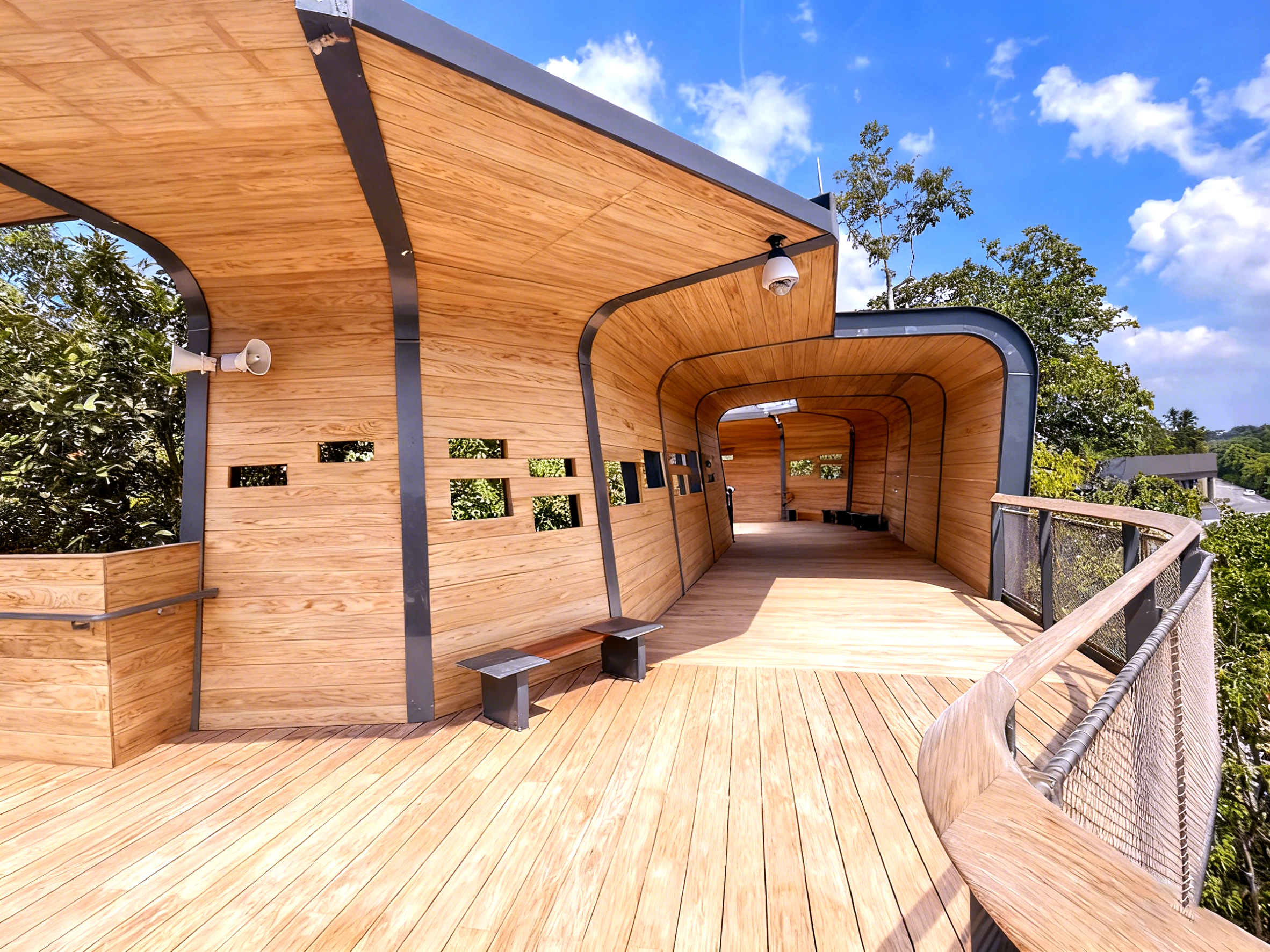
High-Altitude Observation Platform (Mountainous Region)
Project Background: An outdoor observation deck at 2,500 meters altitude with high UV and sub-zero winter temperatures.
Challenge: Extreme freeze-thaw cycles caused traditional wood to split and lose its fasteners.
Solution: Modified Wood from Chambroad was used due to its ultra-low equilibrium moisture content, which prevents internal ice formation.
Result: The platform has survived five winter seasons without a single instance of structural splitting or failure.
Why Choose Chambroad Timber?
Choosing Chambroad Timber means partnering with a leader in material innovation. Our commitment goes beyond providing raw materials; we provide comprehensive engineered wood solutions tailored to the specific needs of architects and industrial engineers.
Quality Assurance
Every piece of timber undergoes rigorous testing to ensure it meets international standards for durability and safety.
Technical Expertise
Our team provides R&D support to help you select the exact modification level required for your project’s environment.
Global Supply
With robust manufacturing capabilities, we ensure a stable and timely supply for large-scale international projects.
Integrated Solutions
From design consultation to installation guidance, we support the full lifecycle of your timber application.
Sustainability and the Future of Building
At Chambroad, sustainability is not a buzzword—it is a core engineering principle. Our Modified Wood contributes significantly to green building certifications by offering a carbon-negative material choice. By extending the life of wood products, we reduce the frequency of replacement, further lowering the environmental footprint of modern infrastructure. Our focus on sustainable timber ensures that we meet the needs of the present without compromising the ability of future generations to meet theirs.
Join Us at CHINAPLAS 2026
We are excited to announce that Chambroad will be showcasing our latest innovations in Modified Wood and high-performance materials at the upcoming CHINAPLAS 2026.
Dates: April 21–24, 2026
Booth: 6.2 A02
Visit our experts to learn how our advanced materials can elevate your next project.
Frequently Asked Questions
What is modified wood?
It is natural timber that has been enhanced through thermal or chemical processes to improve its durability, stability, and resistance to environmental decay.
Is modified wood environmentally friendly?
Yes. It is sourced from sustainable forests and processed without toxic chemicals, offering a recyclable and biodegradable alternative to synthetic materials.
How durable is modified wood?
Depending on the application, it can last 3-5 times longer than traditional timber, often reaching a service life of 30 to 50 years even in outdoor settings.
Is modified wood suitable for outdoor use?
Absolutely. Due to its superior moisture resistance and dimensional stability, it is one of the best choices for timber for outdoor applications like decking and cladding.
Ready to Upgrade Your Next Project?
© 2026 Chambroad Chemical Solutions. All Rights Reserved. Dedicated to high-performance and sustainable material development.